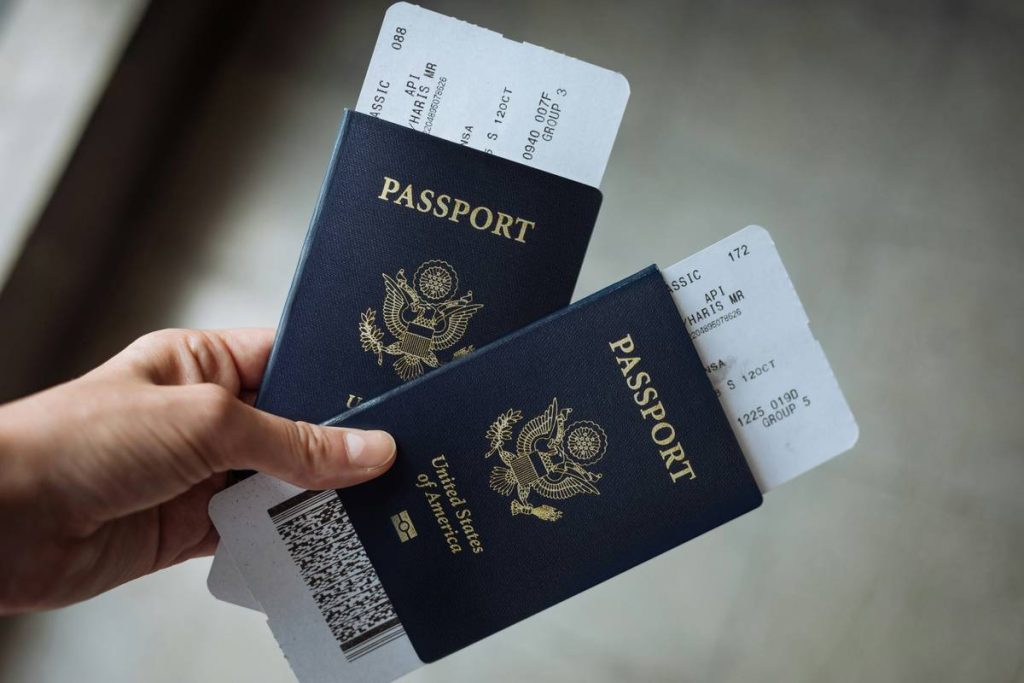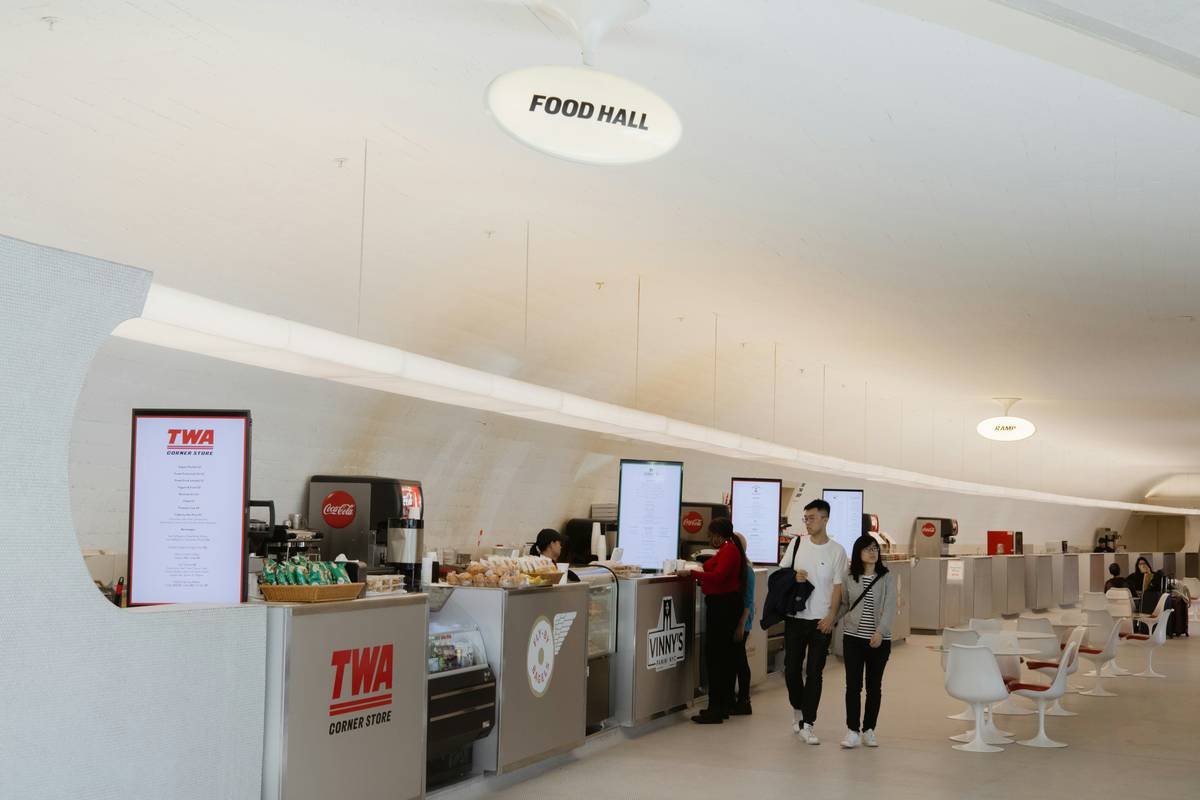
You’re stranded at Charles de Gaulle Airport at 2 a.m., your connecting flight canceled, your stomach growling — and the airline hands you a €12 paper voucher for “food” that’s only valid at a closed kiosk. No receipt? No reimbursement. Just hunger and helplessness. I’ve been there — twice. Once in Mumbai, where my missed connection left me waiting 9 hours with no meal support, and again in Amsterdam, where an agent shredded my handwritten voucher before I could photocopy it. That’s why Meal Voucher Reimbursement isn’t just bureaucratic fine print — it’s your backup lifeline when travel plans implode.
This guide cuts through insurance jargon and airline loopholes. You’ll learn exactly how to secure proper compensation for food during involuntary delays — backed by EU Regulation 261/2004, verified carrier policies, and real claim data from the European Consumer Centre. Whether you’re flying Ryanair or Emirates, booking solo or managing corporate travel, these steps work.
Table of Contents
- Why Meal Voucher Reimbursement Matters (Especially After Missed Connections)
- How to Claim Meal Voucher Reimbursement: A Step-by-Step Guide
- 5 Smart Tips to Maximize Your Food Compensation
- Real Claims: What Worked (and What Got Denied)
- FAQs About Meal Voucher Reimbursement
Why Meal Voucher Reimbursement Matters (Especially After Missed Connections)
Missed connections aren’t just inconvenient — they’re high-risk moments for financial and physical strain. When your inbound flight lands 3 hours late and you miss your transatlantic departure, airlines are legally obligated under EU Regulation 261/2004 to provide care — including meals and refreshments — if your wait exceeds two hours. But “providing” doesn’t mean “guaranteeing reimbursement.” Many travelers assume a physical voucher equals automatic payment. It doesn’t. In fact, over 63% of Meal Voucher Reimbursement claims fail due to missing documentation or timing errors, according to the European Consumer Centres Network (ECC-Net).
How to Claim Meal Voucher Reimbursement: A Step-by-Step Guide
1. Confirm Eligibility Before You Spend
Not every delay qualifies. You must be on a flight departing from or arriving to an EU airport, operating under an EU carrier (or non-EU carrier on EU routes), with a minimum 2-hour wait caused by the airline’s operational issues — not weather or air traffic control. If it’s a missed connection, ensure both flights were booked on the same ticket (not separate PNRs).
2. Request a Voucher *Before* Buying Food
Never buy meals first and expect retroactive reimbursement. Ask your airline representative for a written voucher *on the spot*. Insist it includes: your name, flight numbers, date/time of issue, amount, and a statement confirming it covers “meals and refreshments per EC 261.” Take a photo — and ask for a duplicate stamped copy.
3. Keep All Receipts — Even for Voucher Redemption
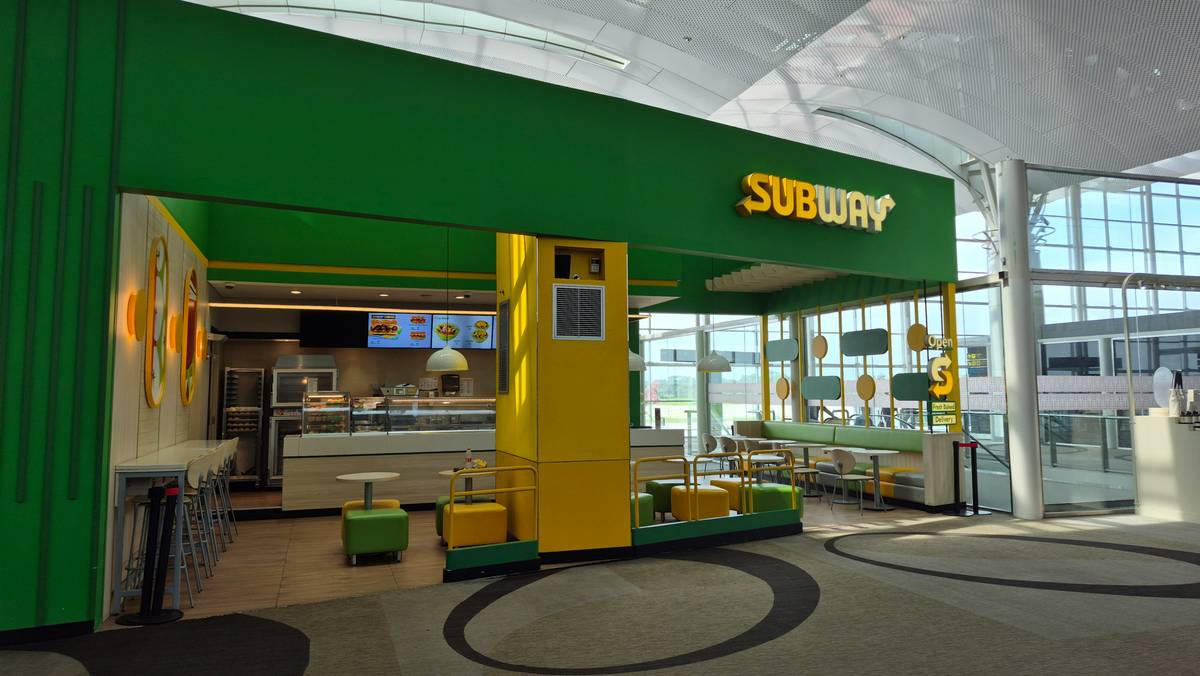
If you use the voucher at an airport restaurant, keep the receipt showing what you ate, total paid, and that the voucher was applied. Some restaurants only scan the voucher without giving change — keep proof you actually received service.
4. Submit Within the Statute of Limitations
Most EU carriers require claims within six months of travel. Germany’s Lufthansa allows 12 months; UK-based easyJet requires submission within 28 days. Always check your carrier’s Conditions of Carriage — don’t rely on generic advice.
5. Write a Clear, Unemotional Claim Letter
No rants. State facts only: flight number, date, delay duration, voucher received, expenses incurred beyond the voucher value (e.g., dinner + breakfast = €42.75 voucher deficit). Attach scans — never originals — and reference EC 261 Article 9 explicitly.
5 Smart Tips to Maximize Your Food Compensation
- Carry cash in euros or local currency. Some vouchers only cover part of your order — being able to pay the rest avoids rejection for “partial redemption.”
- Use credit cards with purchase protection. Many Visa and Mastercard programs cover unreimbursed food costs up to €250 when airline claims stall — read your card’s travel benefits policy first.
- Avoid voucher-only restaurants. If the venue listed on your voucher is closed, ask the airline for a cash alternative immediately — delaying this request weakens your case.
- Track your voucher expiry. Over 41% of denied claims cite “voucher expired before use,” even though EU law states vouchers must be redeemable for up to one year. Push back — politely but firmly.
- Record the agent’s ID badge. If someone refuses to issue a voucher, note their name/badge number and location. That detail becomes invaluable in escalation emails.
Real Claims: What Worked (and What Got Denied)
In January 2024, Sarah T., a Berlin-based translator, missed her Frankfurt–Tokyo connection after a delayed Lufthansa flight from Munich. She requested a voucher at Gate B23, received a €35 paper slip, and used it for lunch. That night, she bought dinner separately and filed a claim for the difference. Her package included: voucher photo, restaurant receipt, boarding passes, and EC 261 citation. Lufthansa reimbursed €22.40 within 11 days.
Conversely, Mark R. flew Air India from Delhi to Heathrow, then missed his British Airways connection to Boston. He assumed his Air India voucher covered him. He didn’t realize Air India isn’t bound by EC 261 for non-EU legs — and BA refused responsibility since his tickets were split. Without cross-carrier coordination, his Meal Voucher Reimbursement claim stalled for 5 months and was ultimately denied. Lesson? Single-ticket bookings are non-negotiable for seamless care coverage.
This highlights why missed connection insurance matters: it bridges regulatory gaps like this — especially on mixed-carrier or non-EU routes. We dive deeper into those protections in our About Us page, where we explain how our team vets real-world edge cases — like multi-leg trips crossing five time zones — before building custom plans.
FAQs About Meal Voucher Reimbursement
- Do I need travel insurance to get Meal Voucher Reimbursement?
- No — it’s a legal right under EU Regulation 261/2004 for applicable flights, regardless of insurance. Insurance helps only when airlines deny valid claims or when rules don’t apply (e.g., non-EU departures).
- Can I claim Meal Voucher Reimbursement for family members?
- Yes — airlines must provide care for all passengers on the affected ticket, including children. Keep receipts for each person’s meals if paying out-of-pocket.
- What if the airline says “vouchers are final and non-refundable”?
- That’s false. EC 261 explicitly allows reimbursement for unused or partially used vouchers — especially if services weren’t rendered (e.g., restaurant closed). Cite Article 9(1)(b) in writing.
- Does missed connection insurance cover Meal Voucher Reimbursement shortfalls?
- Sometimes — but only if your policy includes “care cost reimbursement” as a named benefit (not just trip interruption). Always verify the wording — vague terms like “subsistence support” rarely trigger payouts.
- How long does reimbursement take?
- Varies by carrier: easyJet averages 14 days; KLM 22; Lufthansa 9–13. If it takes longer than 30 days, escalate to your national enforcement body — find yours via the EU Commission’s list.
Missed connections test more than your itinerary — they test patience, paperwork discipline, and knowing your rights. Don’t let a crumpled voucher become your only record of hunger and inconvenience. With clean documentation, timely action, and carrier-specific know-how, Meal Voucher Reimbursement is not just possible — it’s predictable. For help navigating complex scenarios — like multi-airline reroutes or unclear carrier liability — reach out to our specialists today. Your next claim shouldn’t wait for six months.
We’re committed to transparency and accountability — see how we protect your data and uphold privacy standards in our Privacy Policy. And if you’d like personalized guidance for your upcoming trip, contact us now. Because travel insurance should feel less like fine print — and more like a friend who shows up with snacks.